
No Sleep (Ōura)
an ōura ring perimenopause insomnia inspired rant

Once upon a time, I scrolled by posts of women talking about waking in the middle of the night, or their qualms about insomnia. Their problems were not mine because falling asleep as soon as my head hit the pillow was my bragging right, until it wasn’t.
It started sporadically, then more often, then way too often, then so often that I started to recall bits and pieces of those convos (that I scrolled by) where women were sharing stories about the witching hour between 3a - 4a when they woke in the middle of the night and couldn’t go back to sleep for no apparent reason. I figured there had to be a common denominator, so I went on a journey.
Please take this medical research with a grain of salt.
There is nothing more validating than putting in Google, “Why do I keep waking” (and it auto populates at 4a.). This article was at the top and confirmed my suspicions that my recent sleep problems were tied to this stage of life.
Based on my quick research it appears that perimenopausal women experience a variety of hormonal shifts (to include glucose, estrogen, and progesterone) along with body temperature fluctuations during this time of night/stage in the sleep cycle that can negatively impact how well we sleep.
My oldest is a diabetic and if her sugar drops in the night I get an alert on my phone, those alerts usually come around 3a-4a, so I think there is some validity to this.
Once I knew this wasn’t just a coincidence, I went down a rabbit hole of trying to find ways to improve my “sleep hygiene” as they call it.
HRT and other medications are available, however I have decided to avoid HRT for now, trying some other lifestyle changes first.
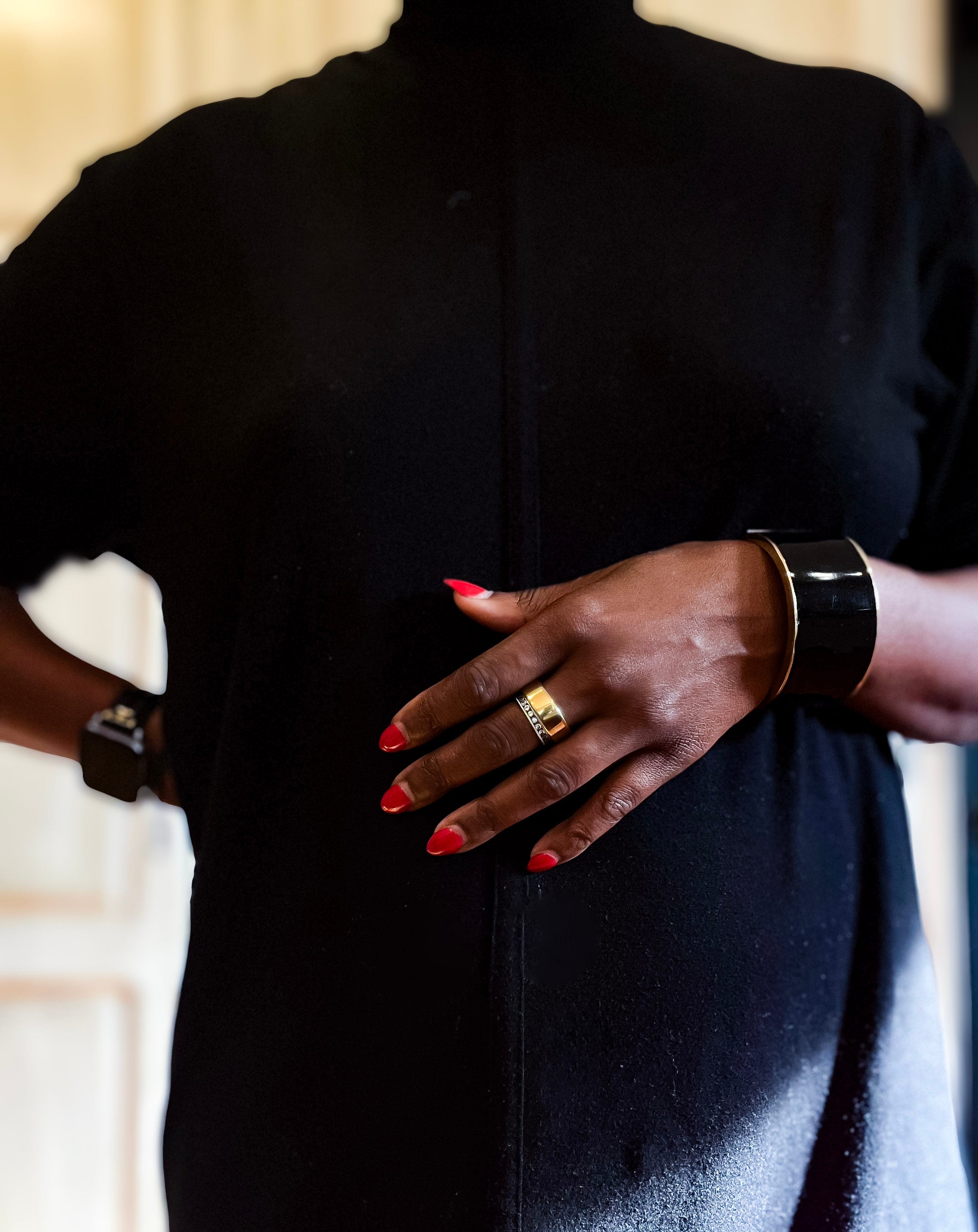
After some research and seeing that I had some extra HSA funds I decided I wanted an Ōura ring to help put the pieces of my daily life together to see if there are habits that I can adjust or change to make my body rest better.
Ōura Ring Sleep Tracking
I laughed when this was my sleep data the other night, cause the ring “be knowing” at 5:08 in the morning.
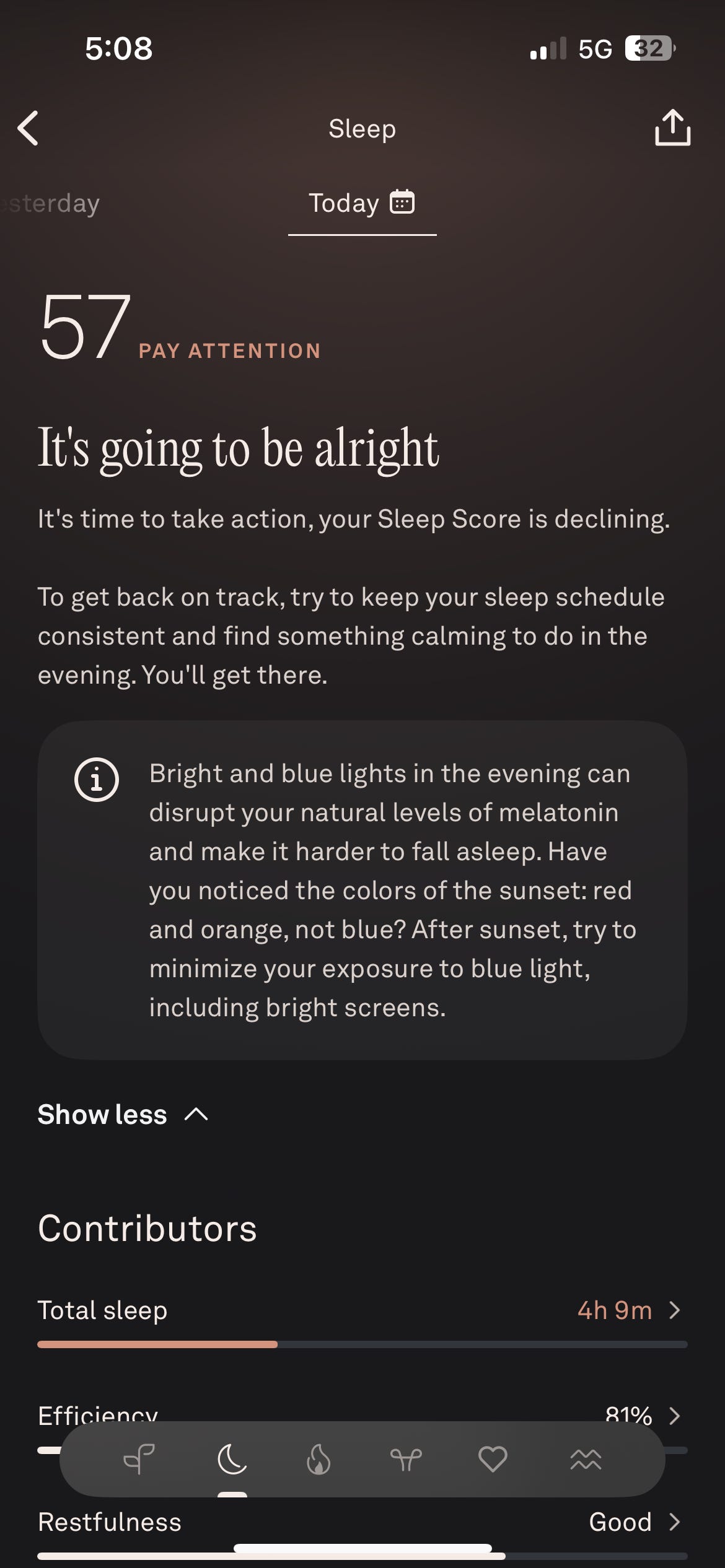
Ōura rings do so many things, but right now I need some sleep so that is my main focus at the moment. It takes a few months for it to pick up on your activity, body temperature etc., to help you put your full wellness picture together. I have picked up on a few things that I think may be affecting my sleep to include:
When I have a cocktail, versus wine in the evening I tend to sleep worse.
I used to be able to work out late and sleep, that seems to be reversing.
Scrolling the internet before going to sleep versus reading or crafting makes me wake in the middle of the night more frequently.
The past few weeks when I’ve waken up in the middle of the night, I follow the below tips and they have been helping.
if you wake up in the middle of the night or early morning, avoid immediately checking your phone or getting worked up and frustrated. Instead, focus on your breath and if you can’t fall back asleep after 15 to 20 minutes of resting, get up and do a quiet, low-stimulation activity in dim light. You may feel drowsy again quickly.
If you are having issues sleeping , this article also goes in-depth into things you can try, here is a TLDR; version
1. Create a Calming Evening Routine and Sleep Space
How you wind down in the hours before bed strongly affects your sleep quality. A consistent, soothing routine signals to your body that it’s time to rest.
2. Make Dietary Adjustments
What and when you eat and drink can make a real difference in your sleep quality.
3. Prepare for Hot Flashes and Night Sweats
Addressing hot flashes and night sweats head-on can make a major difference in how well you sleep through the night.
Here are some ways to cope with them:
Choose breathable, moisture-wicking pajamas and bedding made from natural fibers. Lightweight layers might make it easier to cool down quickly during a hot flash.
Sometimes, hot flashes come out of nowhere and seem random, but it may be worth trying to identify any possible triggers. If you notice that things like spicy foods, hot drinks, alcohol, or stressful media set you off, try to avoid them at night.
4. Try Mindfulness and Stress-Reduction Techniques
Since anxiety and mental load can intensify early-morning wake-ups, adding stress-reduction practices to your routine can make a real difference.
My hope is that my slivers of content around the internet can spark conversations and bring some entertainingly educational content and discourse about these various stages of life. I’ll be back with an update on how well I’m sleeping in a few weeks after making a few tweaks.
Has your sleep been affected as you’ve got older? If not, I LOVE that for you. If so, have you come across some methods to help you sleep better? Do share.
Sleepless in a burb of Atlanta,
Mimi
Always a great read Mimi! I've been contemplating purchasing an Oura ring and I believe you've sealed the deal for me. Life is learning and adjusting.
Yes. This happened to me for a year before I went back on the lowest dose of birth control pill. That cleared it right up. Before that I found some help with melatonin, which I had never used, and a technique I learned at a corporate retreat from a sleep specialist where you list every word you can think of that starts with A, then B, then C and so on to put yourself back to sleep. I never made it past D. I still use that on the rare occasions I find myself awake between 2:00-4:00 am. Perimenopause is so much worse than puberty in my experience, thanks for sharing. We need more of these conversations.